Flood history comes first in St. Pete
Hurricanes Helene and Milton flooded and damaged thousands of St. Petersburg homes in 2024, so flood history is the first thing to check. Florida sellers must give buyers a written flood disclosure that covers known flood damage, past insurance claims and aid received for repairs. Ask for the elevation certificate and a flood insurance quote early. In a flood zone, large repairs or remodels can trigger FEMA’s 50 percent rule, which may require raising the home or rebuilding to current flood standards.
Many St. Petersburg neighborhoods hold older homes, so look closely at the roof, the electrical panel and the plumbing, and expect insurers to ask for a four-point inspection. Downtown condos fall under Florida’s post-2022 inspection and reserve laws, so ask for those reports and recent board minutes. Short-term rental rules depend on zoning, so check the city code before you buy with rental plans. PSTA runs the buses, including the SunRunner to St. Pete Beach, and I-275 links the city to Tampa.
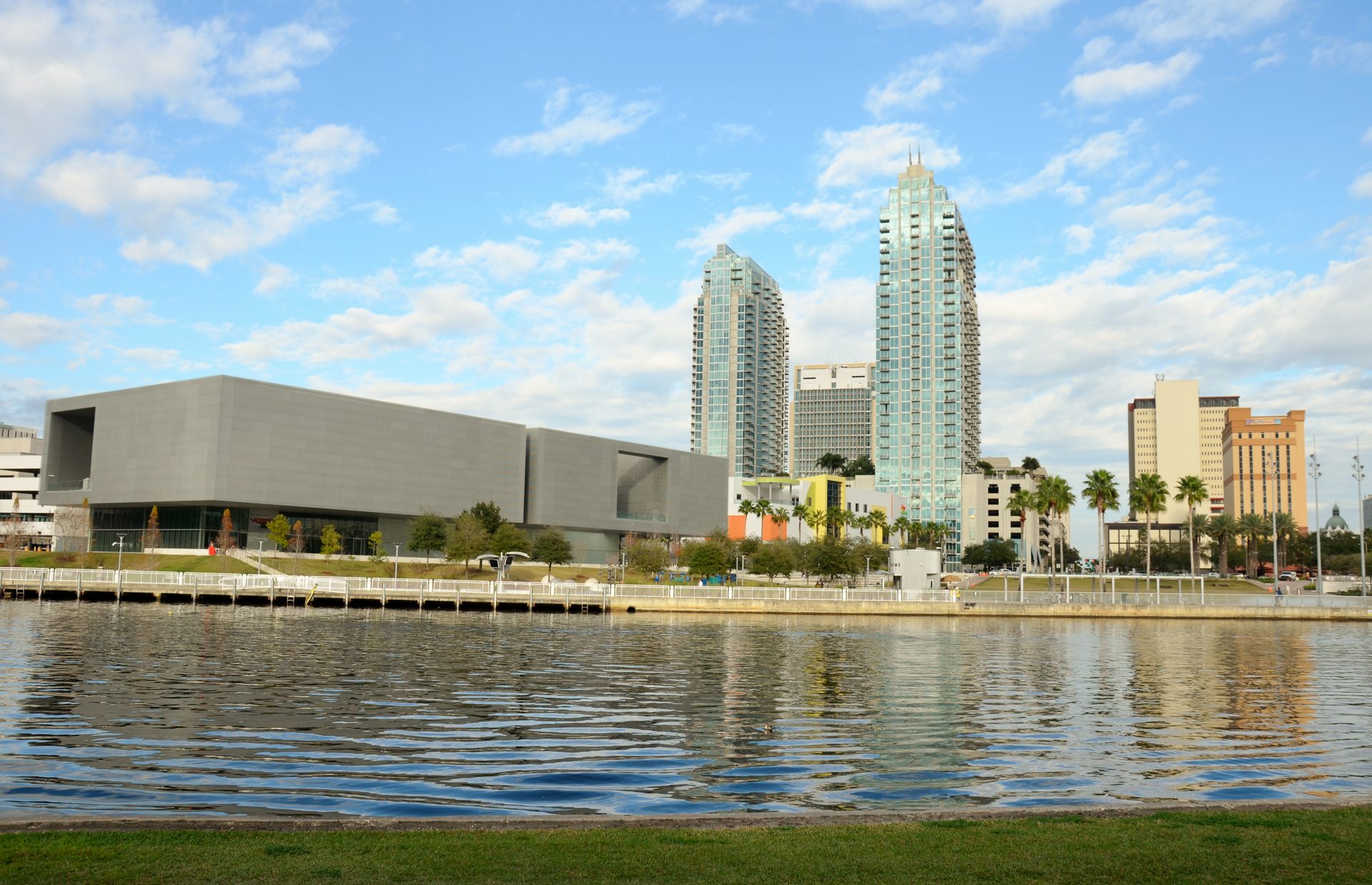
A pier and park district reaching into Tampa Bay downtown.
A chain of public parks lines the downtown bayfront.
PSTA’s rapid bus line runs from downtown to St. Pete Beach.
Questions for your shortlist
- Did the home flood in 2024, and were any flood claims filed or repair aid received?
- What does the drive to work look like at the hours you will actually travel?
- What is the full monthly cost, with taxes, insurance and any HOA or CDD fees?
- How old are the roof, A/C and water heater, and does your budget cover the repairs?
Official resources
This guide is a starting point, not a property inspection, a neighborhood ranking or a promise about any address. Check each home’s costs, condition, flood zone and community rules before you decide. Official resources reviewed October 2026; services and links can change.