Waterfront homes, condos and city rules
Many Fort Lauderdale homes sit on canals or near the ocean, so check the flood zone, the elevation certificate and insurance quotes early. Florida sellers must give buyers a written flood disclosure covering known flood damage and past claims. On a waterfront lot, have the seawall inspected. The city sets minimum seawall heights for new and substantially repaired seawalls and requires owners to keep them in good repair. Older homes also deserve a close look at the roof, the electrical panel and the plumbing.
Beach and downtown condos fall under Florida’s post-2022 inspection and reserve laws, so ask for the milestone inspection, the reserve study and recent board minutes. The city requires vacation rentals to register, after state and county licensing, and many condo and HOA rules limit rentals. A Fort Lauderdale address can also be in a neighboring city such as Oakland Park or Tamarac. Brightline and Tri-Rail both stop in the city, and I-95 and I-595 are the main highways.
A walkway follows the New River through downtown.
Both rail lines have stations in Fort Lauderdale.
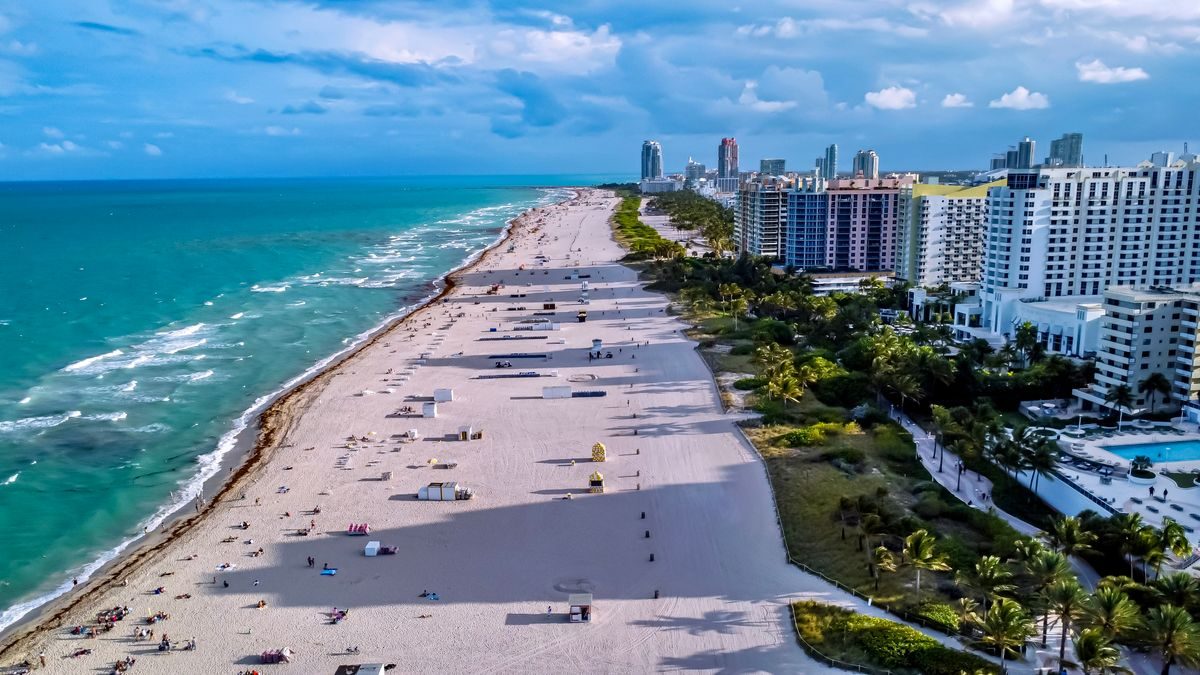
A public beach runs along State Road A1A.
Questions for your shortlist
- If the home is on the water, what shape is the seawall in, and does it meet city height rules?
- What does the drive to work look like at the hours you will actually travel?
- What is the full monthly cost, with taxes, insurance and any HOA or CDD fees?
- How old are the roof, A/C and water heater, and does your budget cover the repairs?
Official resources
This guide is a starting point, not a property inspection, a neighborhood ranking or a promise about any address. Check each home’s costs, condition, flood zone and community rules before you decide. Official resources reviewed October 2026; services and links can change.