Know which Orlando you are buying in
Many homes with an Orlando mailing address sit outside city limits, in unincorporated Orange County. The difference matters. It changes the property tax rate, who handles code and permits, and some services like trash pickup. Look up the parcel on the Orange County Property Appraiser site to see its taxing district before you write an offer. Lakefront and low-lying homes can also fall in a FEMA flood zone, so check the flood map and get an insurance quote early.
Neighborhoods close to downtown hold many older homes. Ask about the age of the roof, the electrical panel and the plumbing, since insurers often want a four-point inspection on older houses. Some of these areas are local historic districts, where exterior changes need city review. Newer communities on the city’s southeast side often carry HOA dues, and some add a CDD assessment to the tax bill. For commuting, I-4 and the toll roads are the main routes, and LYNX buses and SunRail trains serve the city.
A downtown lake with a walking loop and swan boats.
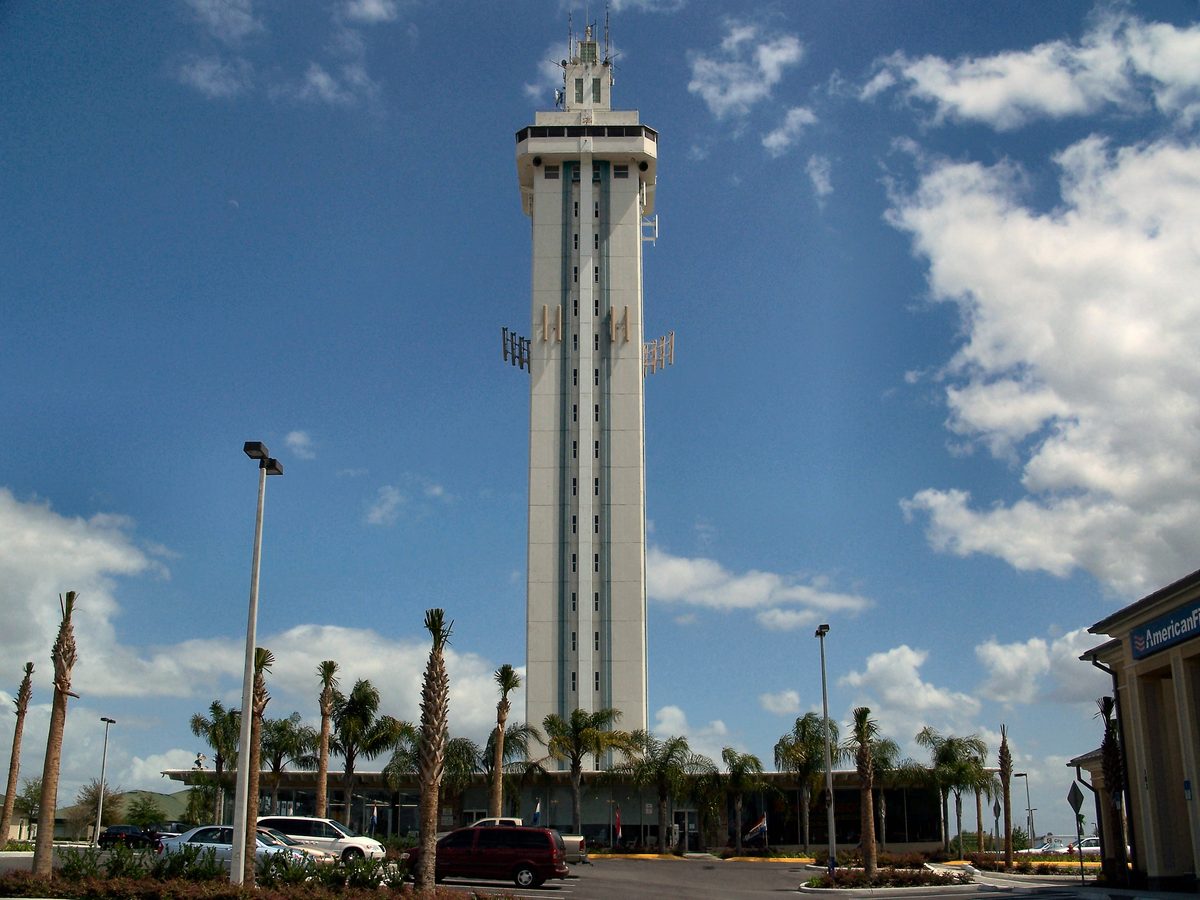
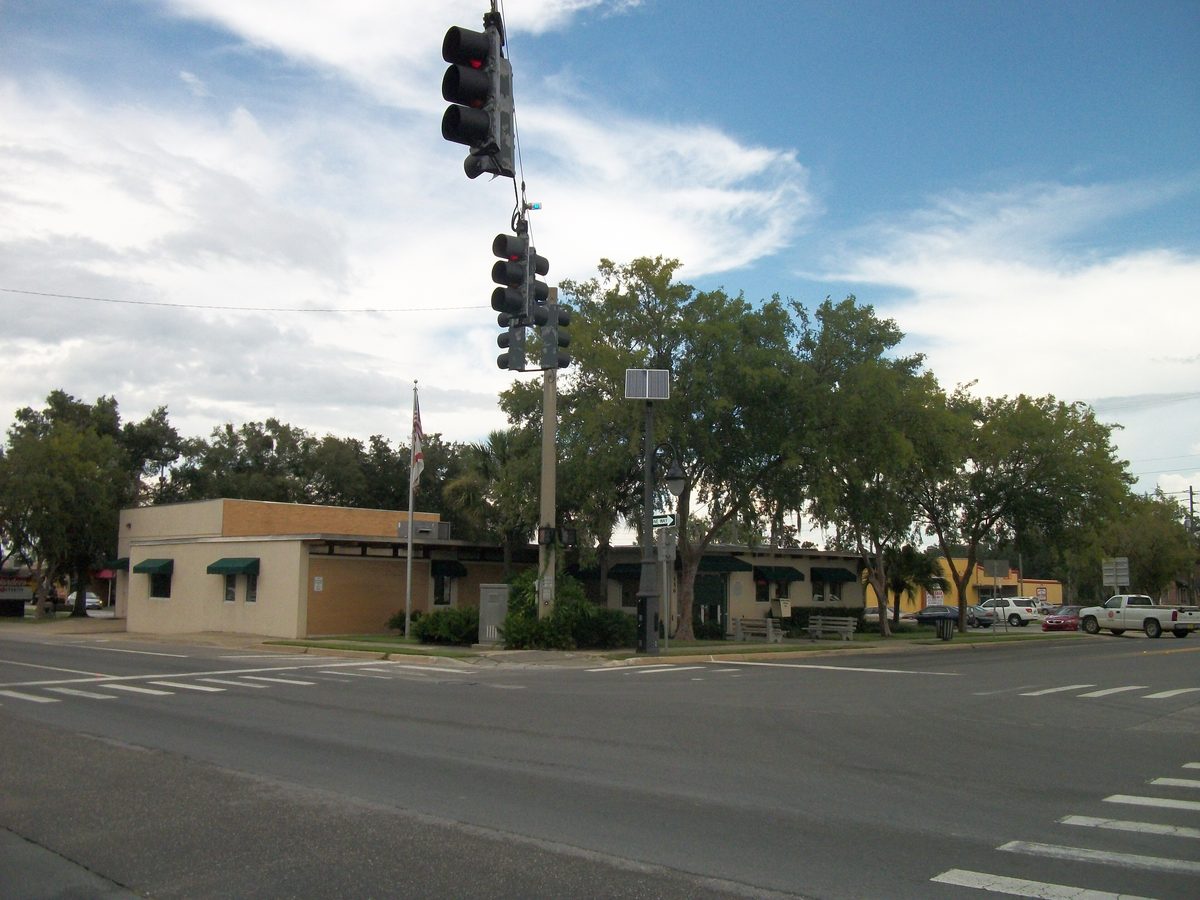
Commuter trains stop downtown and at several other Orlando stations.
Orlando International Airport has a Brightline station with trains to South Florida.
Questions for your shortlist
- Is the home inside Orlando city limits or in unincorporated Orange County?
- What does the drive to work look like at the hours you will actually travel?
- What is the full monthly cost, with taxes, insurance and any HOA or CDD fees?
- How old are the roof, A/C and water heater, and does your budget cover the repairs?
Official resources
This guide is a starting point, not a property inspection, a neighborhood ranking or a promise about any address. Check each home’s costs, condition, flood zone and community rules before you decide. Official resources reviewed October 2026; services and links can change.